
Hiring in Japan can feel opaque when you do not hire often or are new to the country. I see small teams assume there is one “correct” way to recruit, then get surprised when the channel they picked delivers the wrong kind of applicants, or none at all.
This series is for small and medium businesses (SME) hiring in Japan, both Japanese companies and foreign firms with Japan offices. It’s particularly useful to HR administrators and line managers working alone or with limited support and resources.
The Reality of Hiring in Japan

Japan does not have a single dominant hiring channel. Several systems operate in parallel, and each tends to attract different types of candidates with different expectations. This is critical for SMEs to understand when recruiting, as a single poor hire can have a heavy impact on business.
For that reason, the objective is not to find the one “best” hiring channel. A more realistic approach is to choose channels that match the role, level of urgency, and what the company can practically manage internally.
To help with this, I’ve put together an overview of the main hiring channels in Japan and the situations in which each tends to work best.
Public Employment Services
(Hello Work)
“Hello Work” is Japan’s nationwide public employment service. It is still one of the most used hiring channels for SMEs. It remains the most cost-effective hiring option for SMEs looking to attract locally based Japanese talent.
Hello Work tends to work best for:
- Entry-level roles
- Clerical and administrative positions
- Operational and support roles
- Local areas, outside major cities.
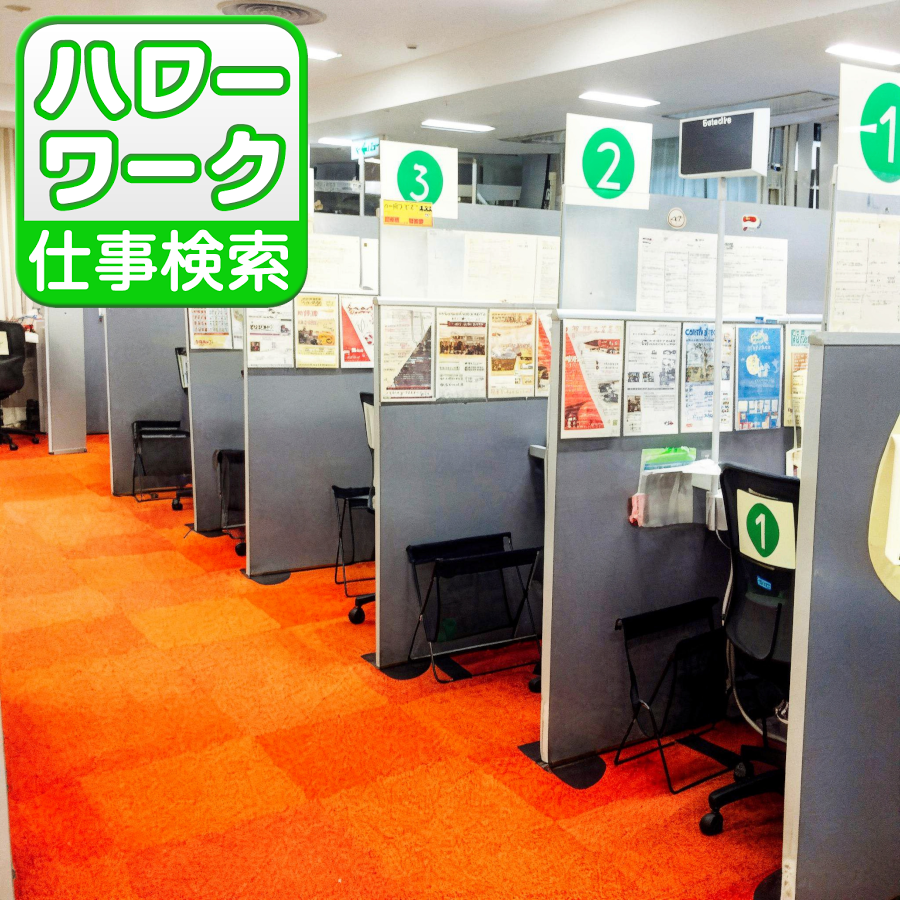
Hello Work gives you broad reach at low cost, but the filtering is limited. Where I see SMEs get burned is expecting Hello Work to produce ready-to-go specialists. Most job hunters using it are looking for stability and a reasonable onboarding path, not a role where they must arrive fully formed on day one.
Hello Work – Services for Foreign Companies
For foreign-owned companies, Hello Work can feel difficult to use at first, as the system is largely Japanese-first. However, foreign companies registered in Japan are fully able to use Hello Work to post job openings and recruit new staff.
I recommend using the Employment Service Centers for Foreigners as your entry point. These offices mainly support foreign jobseekers, but they can also guide employers, provide job listings, introduce candidates, and offer basic hiring consultation. Language support can vary, so if possible, have someone fluent in Japanese handle communication.
- Tokyo Employment Service Center for Foreigners: Link to Site
- Osaka Employment Service Center for Foreigners: Link to Site
Online Job Boards

Online job boards are the default channel for active job seekers in Japan. They work well for office roles, early to mid-career professionals, and positions where the responsibilities can be stated clearly.
The performance of job boards depends on how you write your post. Posts that spell out responsibilities, requirements, and what “good” looks like tend to outperform vague descriptions or direct translations that read like internal jargon.
A common SME mistake is treating the posting as an announcement instead of a filter. Vague postings create volume, then dump the workload back on the hiring manager without improving fit.
I recommend using Japan-native job boards for volume, and bilingual boards only if English ability or global experience is truly required.
Japan-native job boards
- Rikunavi NEXT: Link to Site
- Mynavi Tenshoku: Link to Site
- doda: Link to Site
- en Tenshoku (en Japan): Link to Site
- Indeed Japan: Link to Site
Bilingual and international-focused job boards
- Daijob: Link to Site
- CareerCross: Link to Site
- LinkedIn: Link to Site
Recruitment Agencies
Recruitment agencies are widely used in Japan, especially for key positions or when time is tight. The trade-off is higher cost. I would use agencies deliberately, not by default.
Agencies are most effective for:
- High performance and upper tier roles
- Roles with scarce or specialized skills
- Urgent placements

Well-known recruitment agencies serving Japan
Agency quality varies by consultant and specialization, but the following are reputable starting points. Before you commit, ask what roles they fill most often, how they source candidates, what the fee structure looks like, and what the replacement or refund terms are if the hire doesn’t work out.
Japan-native agencies and major platforms
- Recruit Agent (Recruit): Link to Site
- doda Agent Service: Link to Site
- en Agent Service: Link to Site
International and bilingual-focused agencies
- Robert Walters Japan: Link to Site
- Michael Page Japan: Link to Site
- Hays Japan: Link to Site
Employee Referrals

Employee referrals are common in Japan, but in smaller companies they are often informal. Even a ten-person office usually has networks you can activate when you are hiring.
Referrals tend to work well for:
- Trust-sensitive roles
- Long-term hires
- Small teams where interpersonal fit matters
Referrals may be a limited pool, but they often reduce early mismatch risk. So, don’t make the common mistake of neglecting to ask your own people for referrals.
A few practical steps SMEs can take to get more referrals:
- Share a one-page role summary internally, include must-have skills, location, salary range, and the first screening questions to ask.
- Ask current staff to share the role in their own networks, including LinkedIn, industry communities, and alumni groups.
- Ask your trusted external network. Clients, vendors, advisors, and business partners often know candidates who are quietly open to a move.
- If possible, set a simple referral incentive, for example a bonus paid after the new hire passes probation. Much cheaper than an agent’s fee and only awarded if you find someone.
Flexible Hiring
(Part-time, Contract, Freelance)
Part-time, contract, and freelance hiring is a common risk-management approach for SMEs in Japan. It allows companies to add capacity without committing to a full-time hire too early. It can also be useful when testing new roles, managing workload fluctuations, or covering gaps while permanent hiring remains uncertain.
The main risk is structure. Without clearly defined responsibilities and some form of knowledge transfer, continuity issues tend to appear quickly.

Part-time and short-term hiring platforms
- TownWork: Link to Site
- Baitoru: Link to Site
- Indeed Japan: Link to Site
Freelance and project-based work platforms
- Lancers: Link to Site
- CrowdWorks: Link to Site
- Upwork (international): Link to Site
Common Mistakes
Missteps can cause all sorts of problems down the line, from wasted budget to performance and retention problems.
Common mistakes include:
- Choosing a hiring channel that does not match the role.
- Over-reliance on recruitment agencies.
- Poorly defined job scope and expectations.
- Underestimating onboarding and training effort.
- Treating offer acceptance as the end of the hiring process instead of the start of onboarding and integration.
A Simple Checklist

Before you start recruiting, it helps to answer a few basics in writing. Clarifying these points internally will ensure you waste less time, and keep your interviews sharper.
Before Recruiting:
- Define what this role must deliver in the first three months.
- Be honest about how much training and support you can provide.
- Decide how urgent the hire really is, and what you will trade off if you need speed.
- Pick the channel that matches those constraints, not the channel you happen to know.
In the Next Article (Part 2)
In the next article, we look at the challenges that even experienced hiring managers continue to face, the practical advice they give in hindsight, and how relatively small changes in approach can lead to noticeably better hiring outcomes over time.